
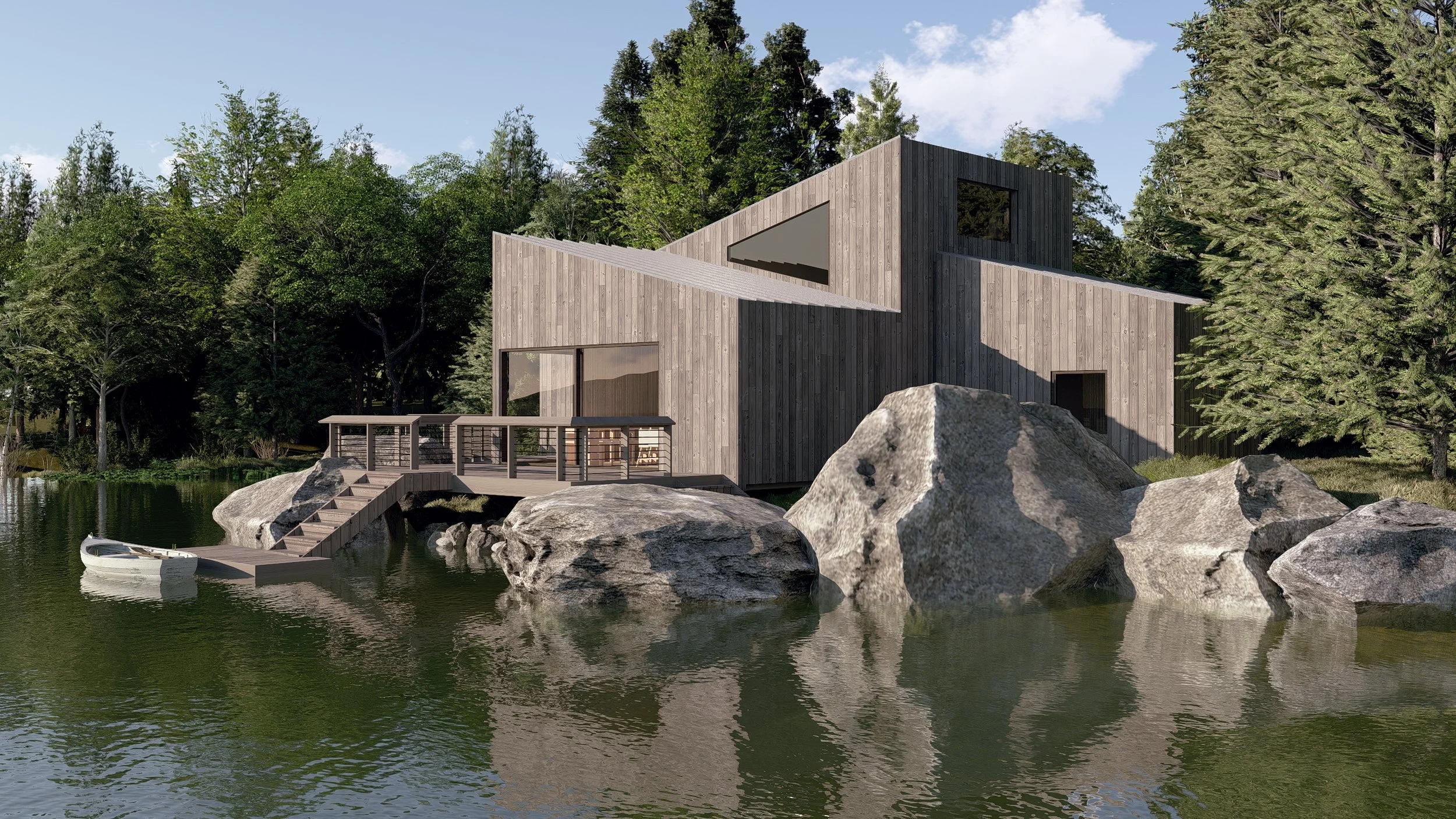
On the Boards: On the Rocks
Uniquely sited on the lake’s edge, this shoreland-zone-regulated camp maintains the governed footprint while transforming the language of the structure into a collection of volumes.
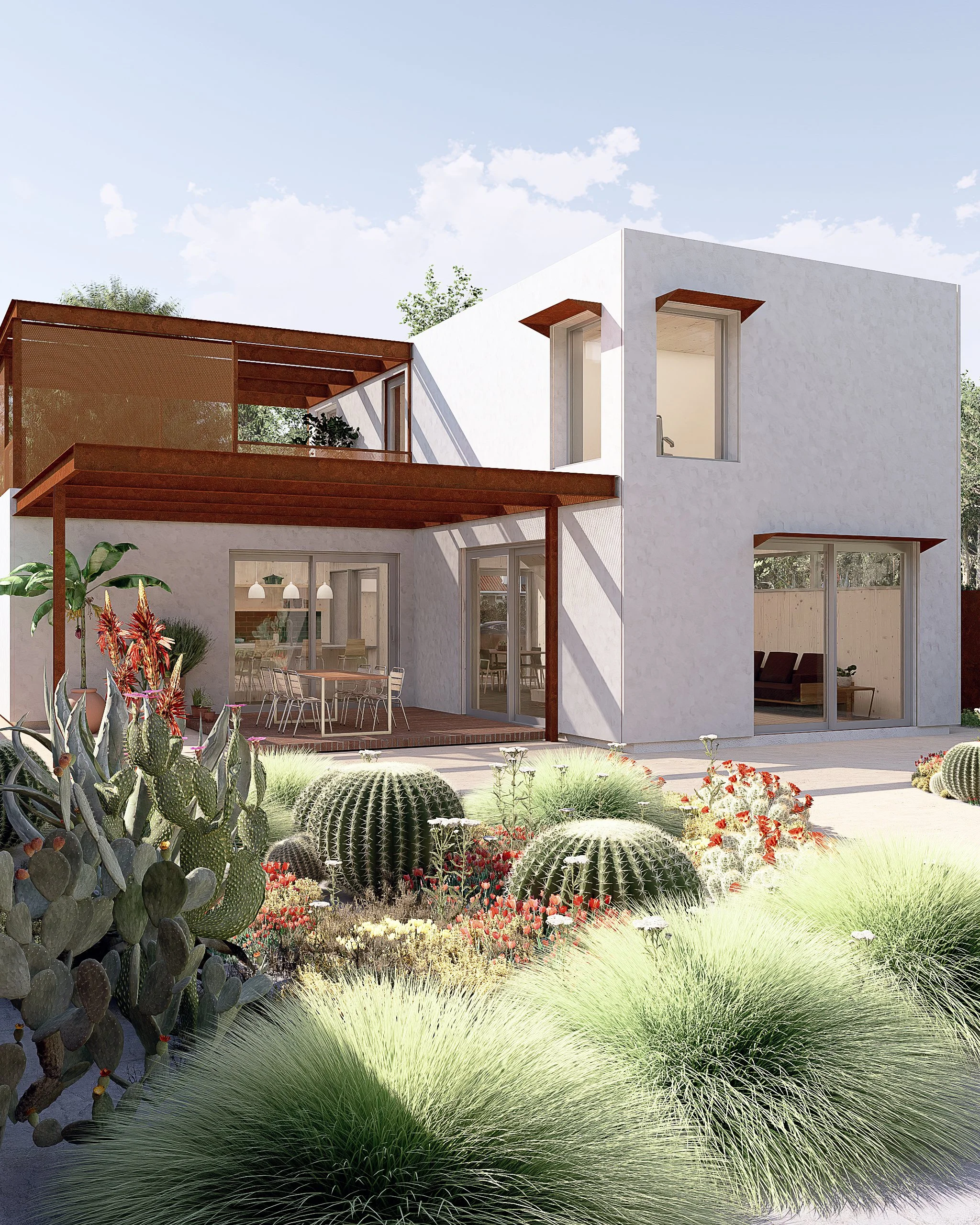
Resilient by Design: OPAL Wins California Passive House Challenge
OPAL has been awarded first prize in the Contemporary category of the California Rebuilds Design Competition, hosted by Passive House Network and Passive House California.
The Results Are In, and Maine Is Crushing It
Each year, the AIA issues its 2030 Commitment By the Numbers report, tracking progress toward the Architecture industry’s goal of operational carbon-neutral buildings by 2030.
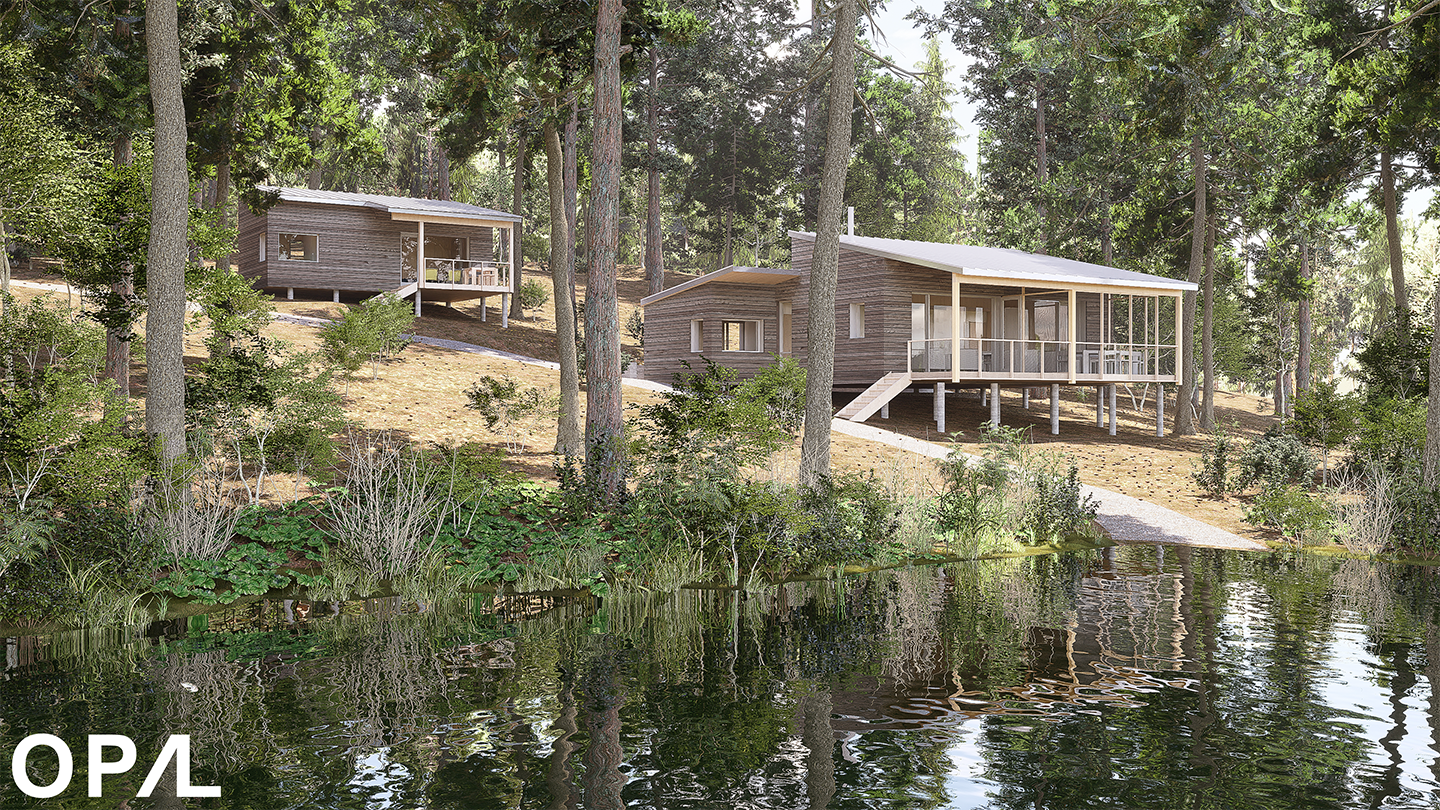
On the Boards: Camp Revamp
OPAL has become well-versed in designing within Maine’s Shoreland Zone, which regulates structures located along the coast and lakefronts.
Island Projects, Revisited
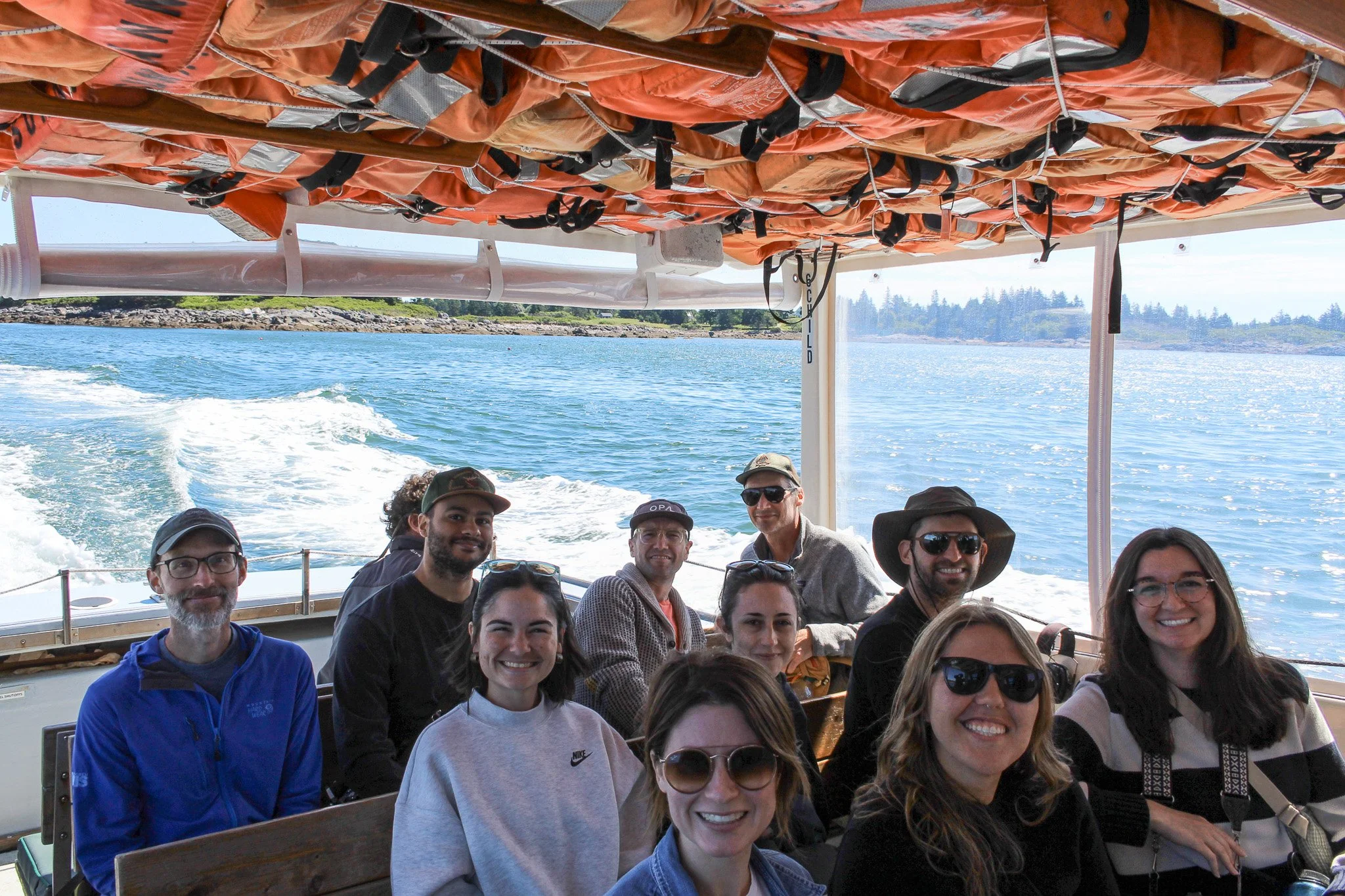
Over the years, OPAL has completed a number of projects in the Penobscot Bay. Because of the remote nature of these projects, many members of the staff hadn’t yet had the opportunity to see these sites in person—until now!
Nice Shorts!
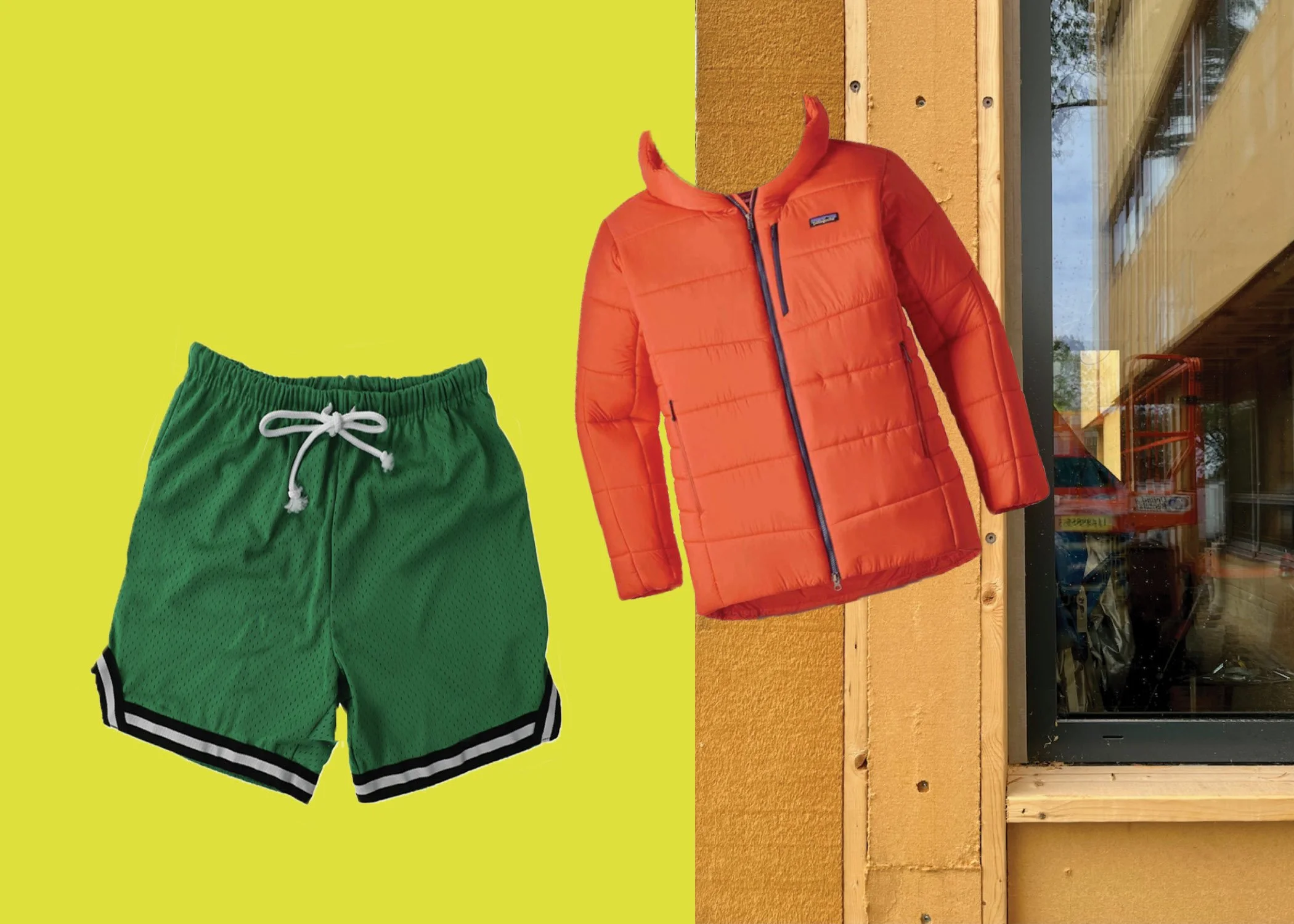
For some reason, designers have a hard time thinking about envelopes holistically. While we’ve made real progress in the average energy performance of new construction, I still see the same recurring mistake: focusing on individual wins rather than an integrated design approach.

No More Fried Eggs
Building orientation has always been a critical part of ecological design. Even ancient and pre-civilization structures show evidence of careful siting—responding to sun, wind, slope, or seasonal migration patterns. Orientation could enhance comfort, ensure safety, or even reflect cultural hierarchies.
Great Design is Regenerative Design
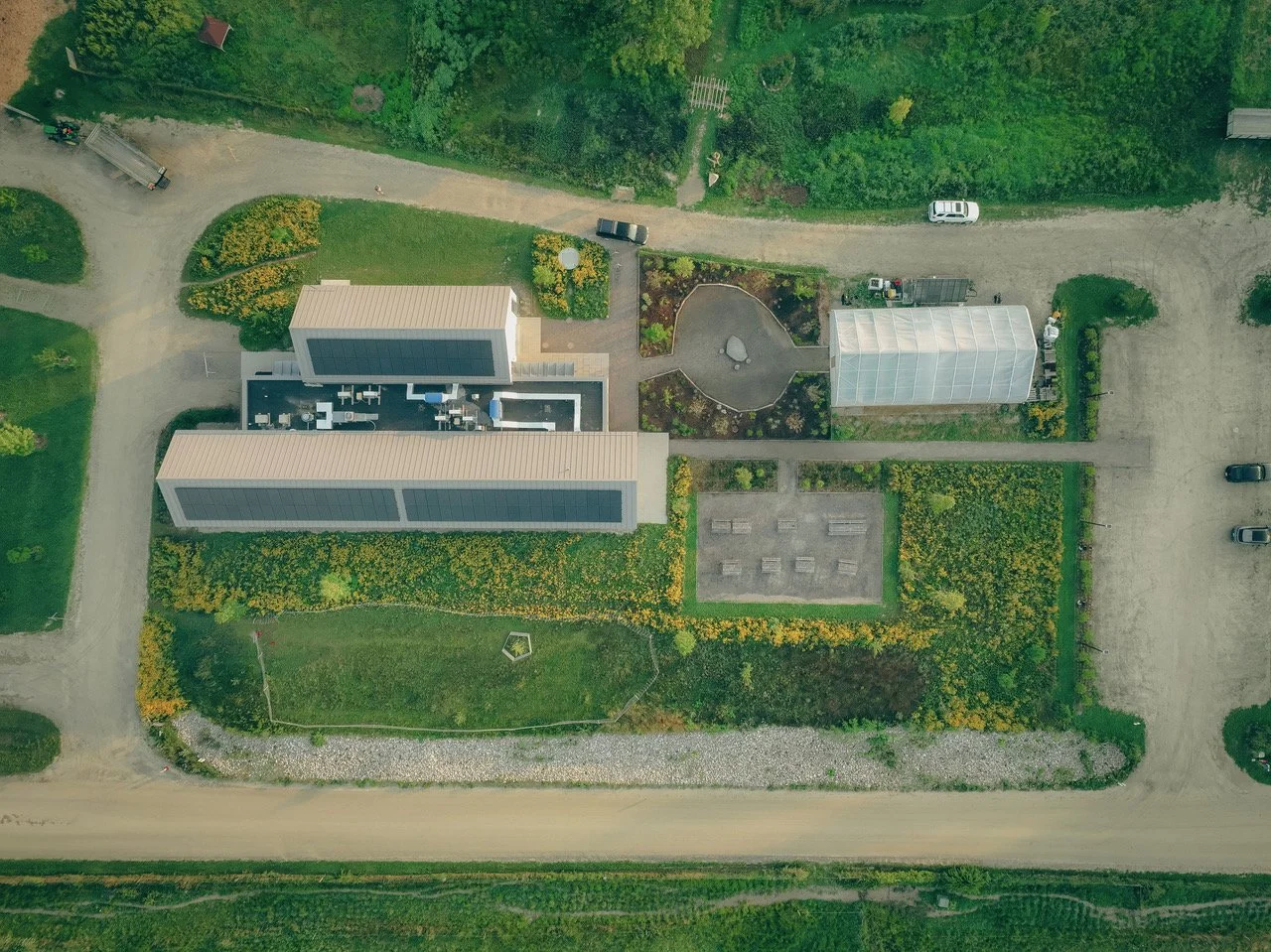
“Regenerative design” is having a moment. It’s the new aspirational label in architecture and planning circles, showing up in panel titles, consultant pitches, and design awards. It’s urgent. It’s abundant. It’s…very poorly-defined.