Great Design is Regenerative Design
by Timothy Lock
“Regenerative design” is having a moment. It’s the new aspirational label in architecture and planning circles, showing up in panel titles, consultant pitches, and design awards. It’s urgent. It’s abundant. It’s…very poorly-defined.
What’s troubling isn’t the idea of ecological renewal. It’s that “regenerative” is being used to rebrand practices that many architects have already been advancing for years, without needing a new vocabulary or an outside consultant to explain it. Often, the people promoting “regeneration” are not the ones designing or building anything at all.

In our practice and many others, the most meaningful work often looks far simpler than the marketing gloss suggests:
- Buildings that are dramatically smaller than originally programmed.
- Material strategies based on what’s already available, not what’s cutting-edge.
- Envelopes, both new and reused, appropriately insulated for their climate to operate efficiently with less energy.
- Sites left largely untouched because the most regenerative act might be to leave them alone.
This is not a future-forward approach. It’s a quiet, deeply ecological discipline rooted in authenticity, restraint, adaptation, and humility. We don’t talk about “abundance” in the abstract, implying some endless imperative to consume more—we work within limits, and find design opportunities in doing so.
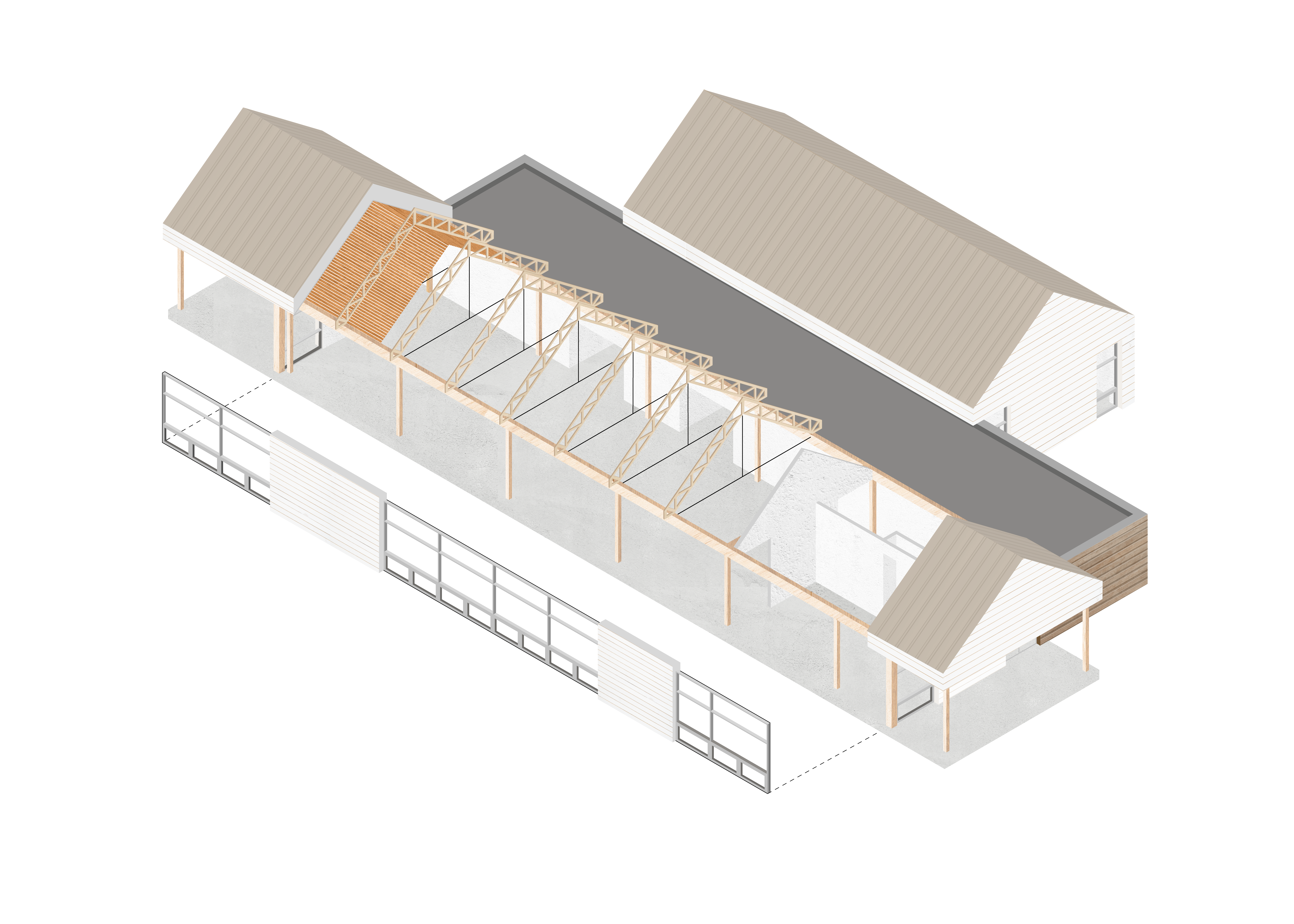
Meanwhile, the word “regenerative” risks becoming a kind of professional greenwash—a new layer of consultant-driven language that often adds cost but no clear material value to actual building users. It doesn’t change the fact that many of these projects still rely on overbuilt forms, exceedingly complex imported systems which often stakeholders can’t even operate or maintain, and so so many upfront greenhouse gas emissions.
Just yesterday, I heard a sustainability consultant describe the “urgent need” for regenerative design to a group of architects, with no mention of reuse, scale reduction, or resource discipline. There was no recognition that whole swaths of the profession have been doing this work quietly and effectively, simply without branding it. Without requesting permission to do so, simply providing direct benefits to our clients through a careful, beautiful, ecological approach.
There was no mention of restraint, reuse, or doing less. No reference to the quiet, rigorous work many architects have been doing for decades to reduce building size, adapt existing structures, and minimize ecological harm first, before providing resource-intensive technological overlays. It felt less like a call to action than a pitch for continued relevance, framed around the idea that what’s needed now is not less building—but a different kind of consultant.

That’s the risk: when words like “regenerative” become the new currency of sustainability, they can end up serving the consultant more than the community.
So here’s the question we need to ask:
Is your design actually “regenerative”—or is it just expensive optimism wrapped in new terminology?
We need to re-center the basics:
- Use less.
- Use consciously.
- Build less.
- Ask less of the land.
- Design for people and community, not marketing or brands.
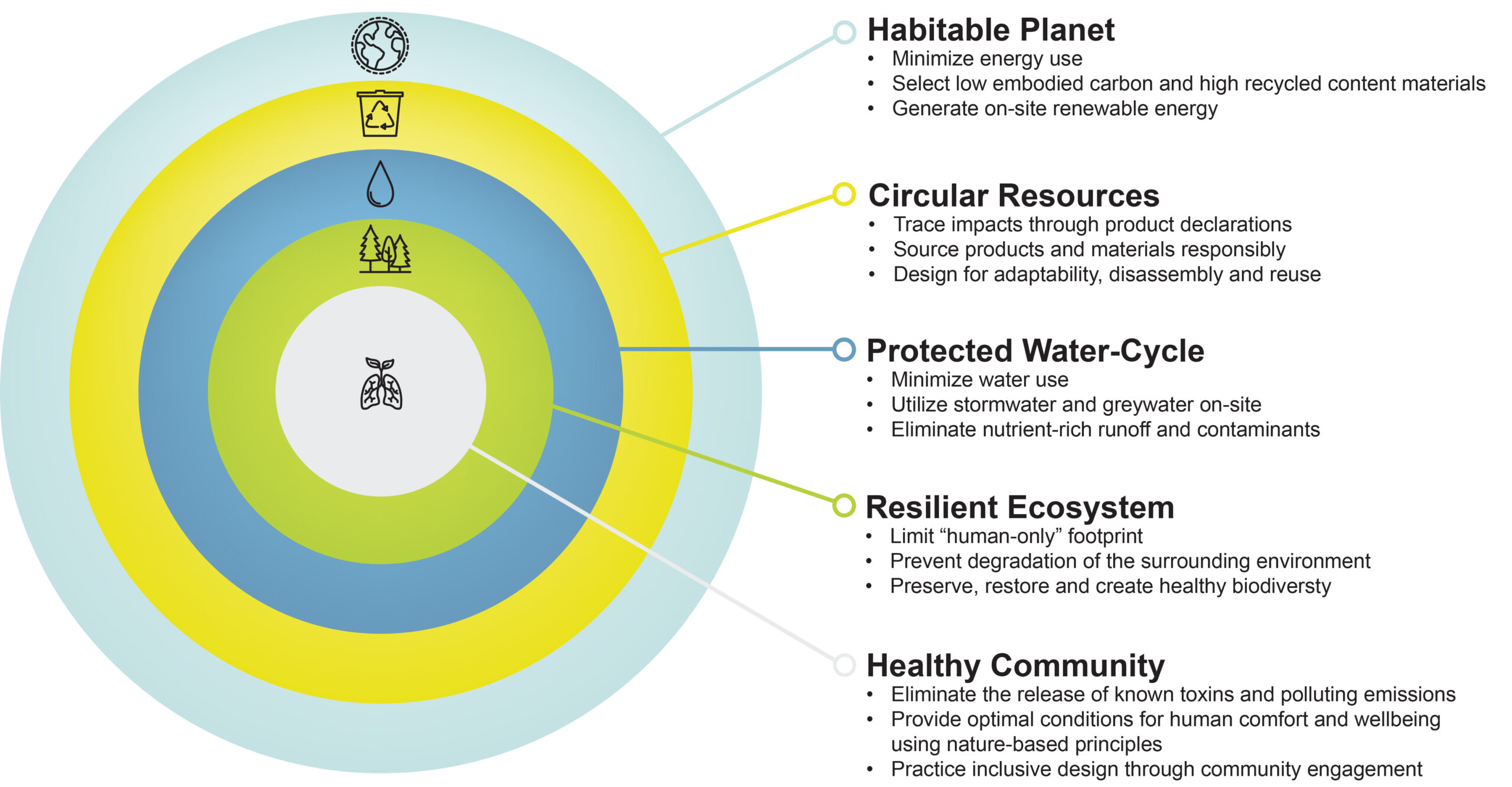
This is the spirit of Resourceful design, our developing manifesto for a Built Ecology: not new tools or labels, but a renewed commitment to use fewer resources well, and leave space for others—human and non-human—to thrive.
That’s not a trend. It’s a responsibility. It’s a design challenge and opportunity in which I hope all architects and their clients can find joy…I know we do.