Nice Shorts!
by Timothy Lock
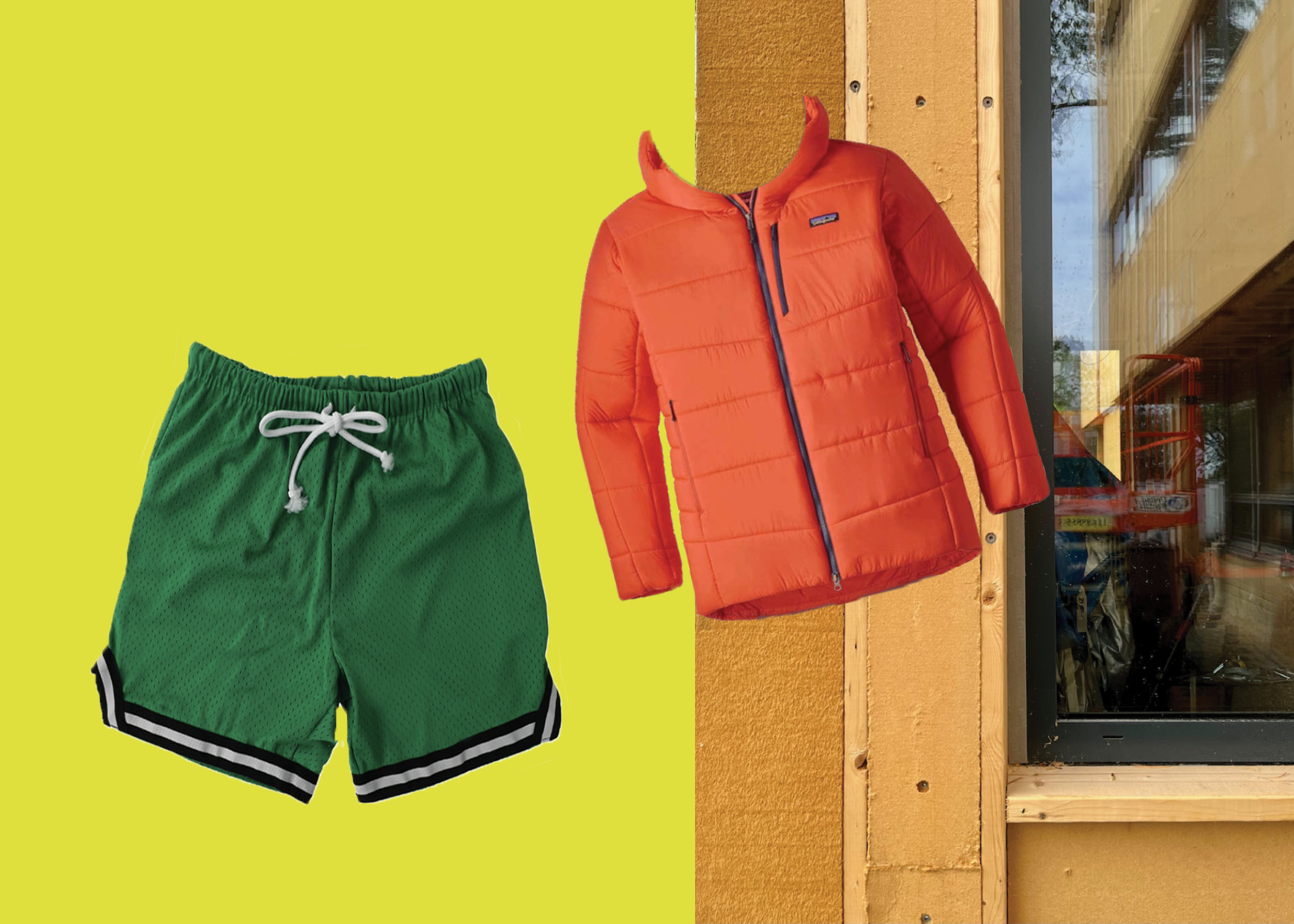 For some reason, designers have a hard time thinking about envelopes holistically. While we’ve made real progress in the average energy performance of new construction, I still see the same recurring mistake: focusing on individual wins rather than an integrated design approach.
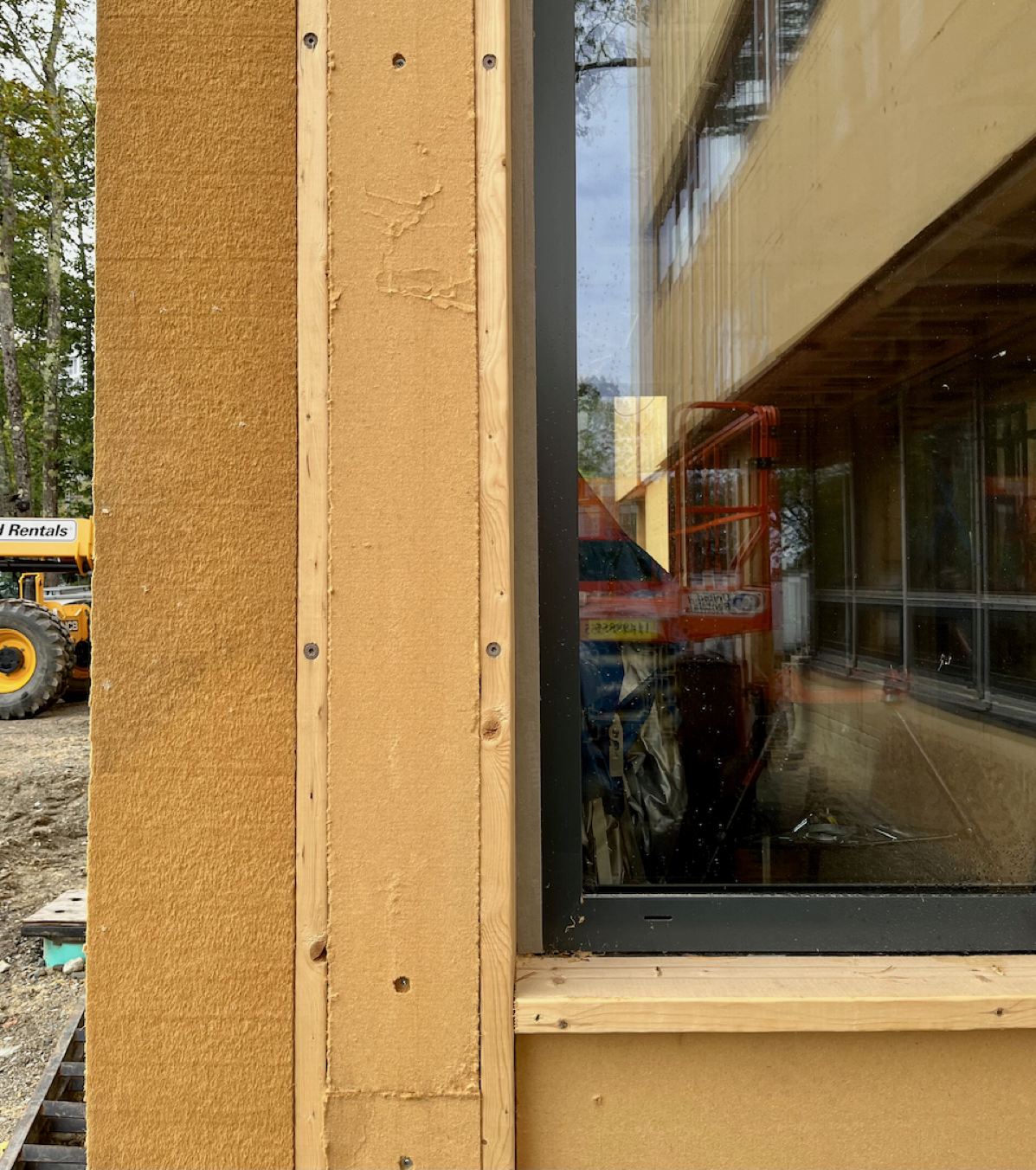
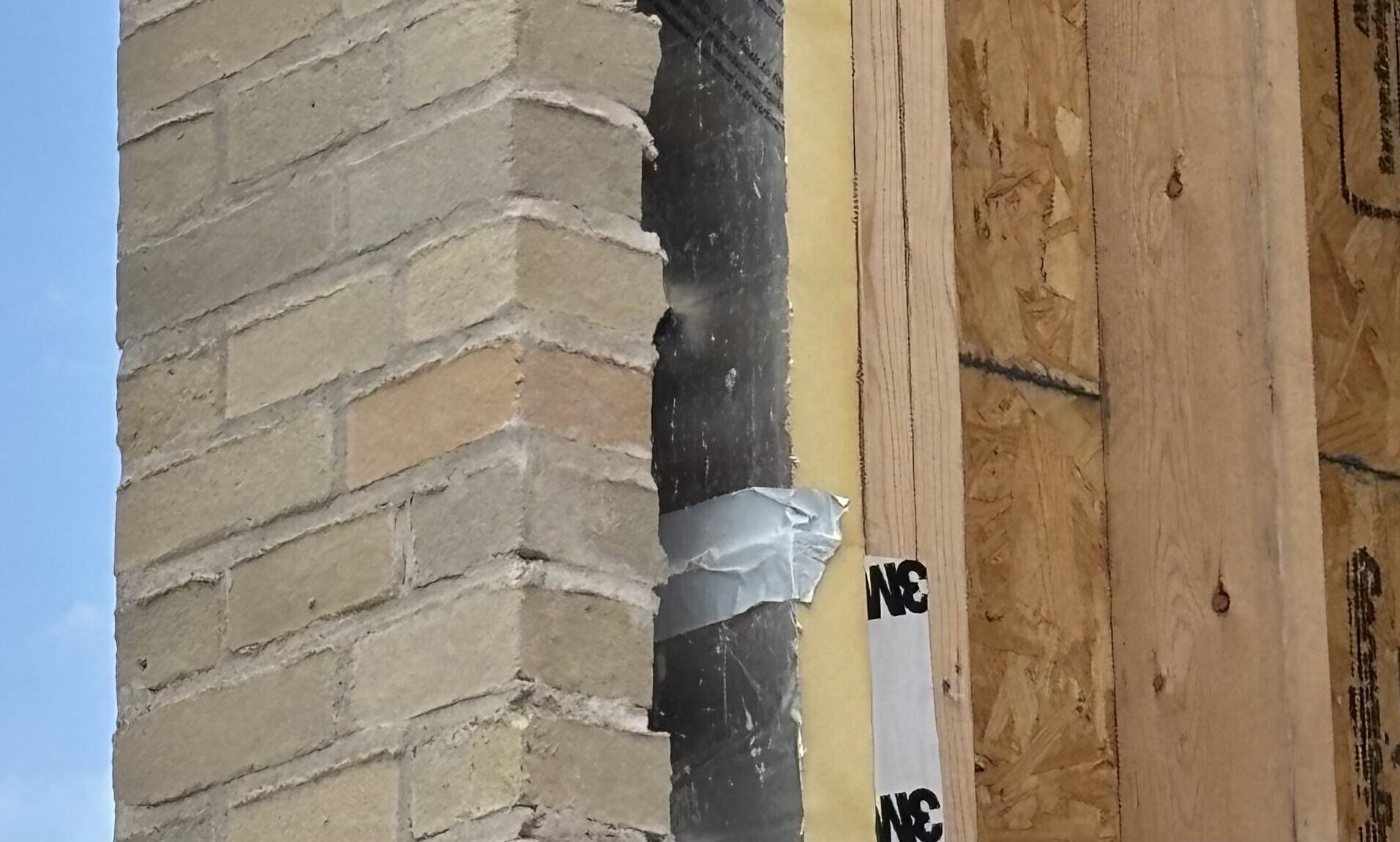 Just yesterday, walking past a construction site, I saw a mock-up of an exterior wall that included an imported high-performance window. I was initially excited—this wasn’t a project I would have expected to invest in better fenestration. But then I saw the rest of the mock-up.
It was a standard framed wood stud wall with a layer of oriented strand board sheathing, a peel-and-stick weather-resistant barrier, two inches of foil-faced polyiso, a cavity, and a brick veneer. That triple-glazed window? It was just taped to a body dressed in base-code shorts.
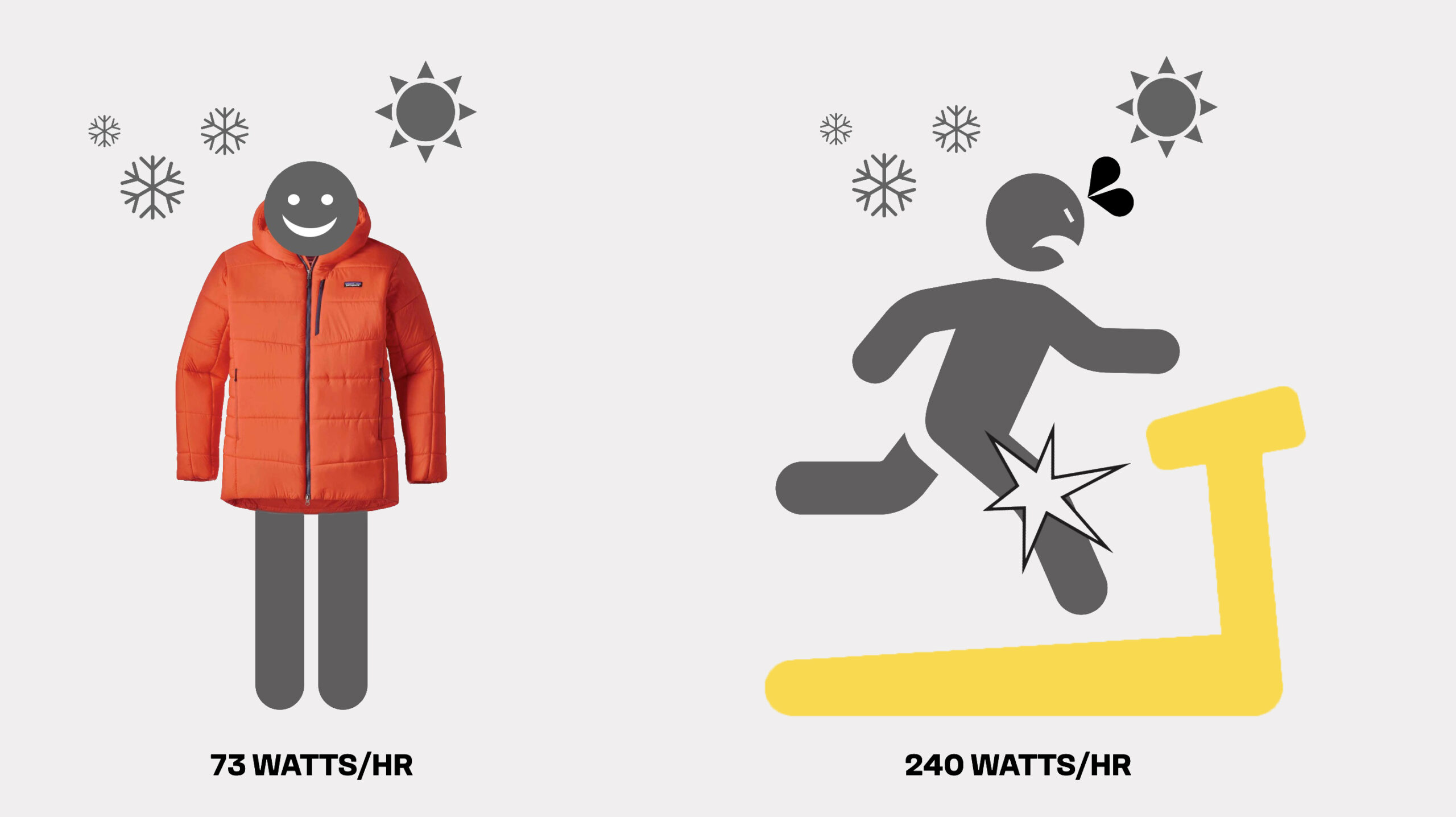
When I teach what a Passive House is, I often use the analogy of dressing for the climate. Sure, I could stay warm in winter by running everywhere in a T-shirt and shorts. But that’s impractical—so I wear a coat. Seems obvious, right?
Not so with designers. We seem to prefer cutting up a winter coat and taping the pieces randomly to our bodies, hoping to get some sort of credit for dressing appropriately. Try and picture that. It’s deranged. I asked ChatGPT to make an image of that and it couldn’t do it. Why? There is zero evidence of this ever happening in human history.

Max Molden, a freshman mechanical engineering major, wears shorts in the winter outside the Hub on Tuesday, Feb. 6, 2018. Brianna Morgan, The Daily Collegiate
I live in Maine and have a teenage child. I drop them off at school nearly every day, and in winter I’m fascinated by the clothing decisions teens make. I don’t think I’m stereotyping too much when I say that—especially the boys—like to take credit for wearing a jacket. But the jacket is almost always unzipped, and almost always worn over a T-shirt and shorts. You know the look. Maybe it was even your look back in high school. It might’ve been mine.
If you look back and cringe at those “fashion choices,” or at least don’t make them anymore, ask yourself: am I dressing my building like a teenage boy?
And it doesn’t stop at windows and walls. Efficient systems for heating, cooling, and ventilation can be calibrated to work with the building rather than against it—or against each other. If we think of our buildings as part of our ecology, as analogs to our own bodies, maybe we can stop treating design as a checklist of features and instead see it as a network of intersecting, interacting attributes that keep us healthy, happy, and thriving. Envelopes and systems must scale up and scale down holistically and together, otherwise we might as well bust out our old basketball shorts.